Postnatal Exercises: Comprehensive Programs to Restore Your Physical Health
Your Health After Childbirth: A New Beginning for a More Balanced Life
Childbirth is a transformative stage that combines immense joy with physical and emotional challenges that require time and care for full recovery. At Raznah, we offer a variety of services and programs designed to help you regain your physical health after the childbirth experience. These programs are tailored to your individual needs.
What Are Comprehensive Postpartum Programs?
Comprehensive postpartum programs are an integrated system of therapeutic and preventive services specifically designed to support a mother’s health after giving birth. These programs go beyond postpartum exercises, including physical therapy for all challenges a woman may face during this stage. They provide a safe environment that allows mothers to recover holistically, regain their energy, and return to life with confidence.
Components of Comprehensive Postpartum Services and Programs
Postpartum Comprehensive Assessment Session
In this session, a physiotherapist specialized in pregnancy and postpartum care evaluates the back, abdomen, and pelvic floor muscles. The specialist also assesses overall physical capacity and readiness for movement, determining the right time and approach for returning to exercise. The session concludes with a personalized plan for exercise or a therapeutic plan if needed.
Individual or Group Exercise Sessions
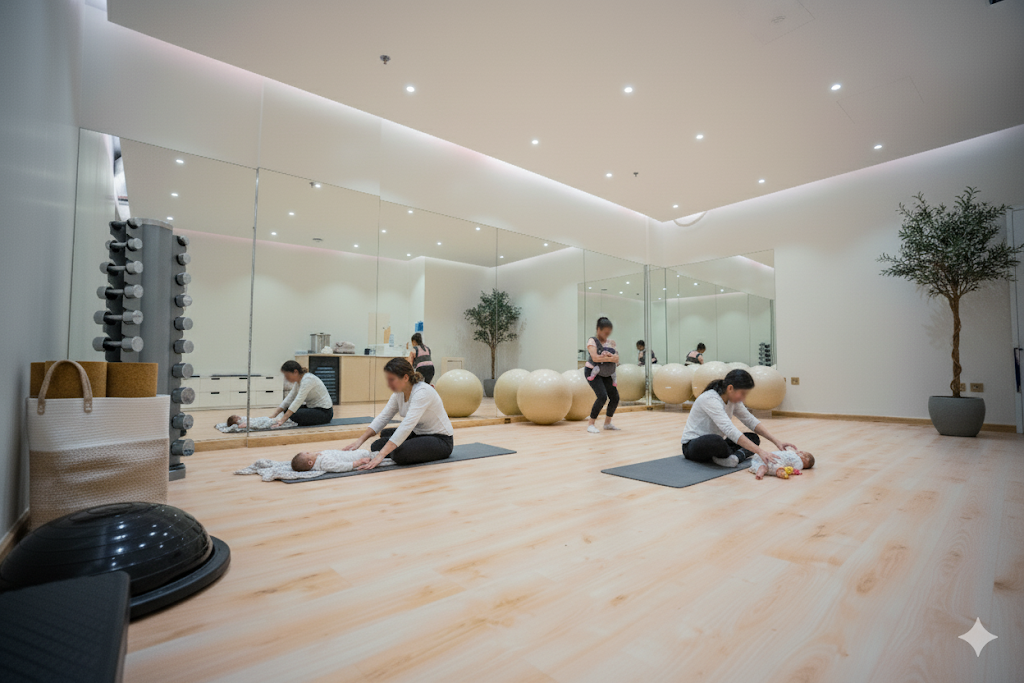
We provide options for pelvic, back, abdominal, and hip rehabilitation exercises, either individually or through group classes. One popular option is the “Mama & Me” program, which offers weekly sessions combining mother-and-baby exercises with interactive playtime.
Lymphatic Drainage Massage Session
Many women experience swelling in the upper or lower limbs after childbirth due to fluid retention. Our experienced specialists provide manual and device-assisted lymphatic drainage massages to help the body eliminate excess fluids.
Why Do Mothers Need Comprehensive Postpartum Programs?
Physical Changes After Childbirth
The body undergoes many changes after delivery, including weakened abdominal and pelvic floor muscles. These muscles need rehabilitation to function effectively. Comprehensive programs provide targeted exercises and therapeutic techniques for proper recovery.
Psychological and Hormonal Challenges
Hormonal fluctuations can cause mood swings, anxiety, or even postpartum depression. Including psychological support sessions within the programs helps reduce these symptoms and equips mothers with coping tools.
Daily Discomfort and Pain
Many mothers suffer from back and neck pain caused by breastfeeding or carrying the baby. Postpartum programs integrate physical therapy with tailored exercises to gradually reduce pain and improve overall quality of life.
Sleep Deprivation and Fatigue
Sleep deprivation and constant fatigue are common. The programs include practical strategies to help mothers manage their time, restore energy, and incorporate simple exercises to improve activity levels and reduce exhaustion.
Expected Benefits of Postpartum Programs
Restore Fitness: Gradually rebuild strength and stability for daily movement.
Reduce Pain: Physical therapy combined with postpartum exercises eases back and neck pain.
Boost Confidence: Positive physical and emotional changes restore self-esteem.
Adapt to Motherhood: Practical tools help women face the new challenges of motherhood.
Postpartum Exercises and Their Importance
Definition
Postpartum exercises are specialized workouts designed for mothers after childbirth. Their goal is to rebuild strength and flexibility that may have been affected during pregnancy.
Benefits for the Body
Strengthen the pelvic floor muscles
Improve joint flexibility
Gradually tone the abdomen
Restore physical function and energy
Examples
Kegel exercises to strengthen pelvic muscles
Deep breathing exercises to relieve stress
Stretching exercises to improve flexibility
Core strengthening exercises
Balance exercises
Practicing postpartum exercises gives mothers a sense of accomplishment, boosting confidence and resilience in facing motherhood’s demands.
Razana Center’s Role
Razana Center is a leading institution in women’s health and physiotherapy, with extensive experience in designing comprehensive postpartum programs. The center’s approach combines modern physical therapy, postpartum exercises, and health education, ensuring that mothers are fully aware of the changes happening to their bodies. Under the supervision of Razana Center, mothers gain confidence, safety, and measurable results throughout their recovery journey.
Additional Services and Comforts at the Center
Play area for children (with child participation in sessions)
Dedicated breastfeeding and diaper-changing facilities
These features create a supportive, safe, and mother-friendly environment.
Practical Tips for Mothers
Start exercises gradually without rushing results.
Consult your doctor before beginning any new activity.
Prioritize rest and sleep whenever possible.
Don’t neglect mental health—seek help when needed.
Make postpartum exercises a daily habit, even for just a few minutes.
These simple tips make recovery smoother and give mothers reassurance and control over their new life.
FAQs
What types of exercises are safe after childbirth?
If there are no medical restrictions, most exercises are safe when started gradually, with intensity increasing slowly.
How do postpartum exercises improve my health?
They improve sleep, reduce stress, strengthen the abdomen and pelvic floor, and restore functional physical ability.
What if I feel too tired to exercise?
Fatigue is normal. Start with simple activities like short walks. Ask your partner or family to help care for the baby while you do light exercises. Adjust intensity with your therapist’s guidance.
How can physiotherapy help after childbirth?
It rehabilitates pelvic and abdominal muscles, supports healing, and boosts energy levels.
When can I begin a physiotherapy program postpartum?
Usually, after 6 weeks for vaginal birth or 8 weeks for C-section, once postpartum bleeding stops. Always consult your doctor before starting.
How can I balance baby care with my health?
Ask your partner or family for support, rest when the baby sleeps, and remember: caring for yourself means better care for your child.