What Is Postpartum Physical Therapy?
Your Guide to Choosing the Right Start
Your body changes after childbirth — and physical therapy is the key to restoring its balance.
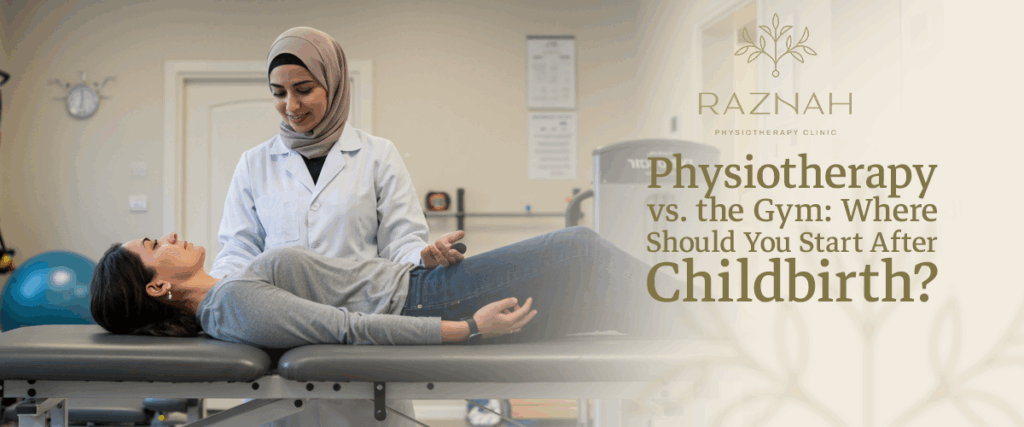
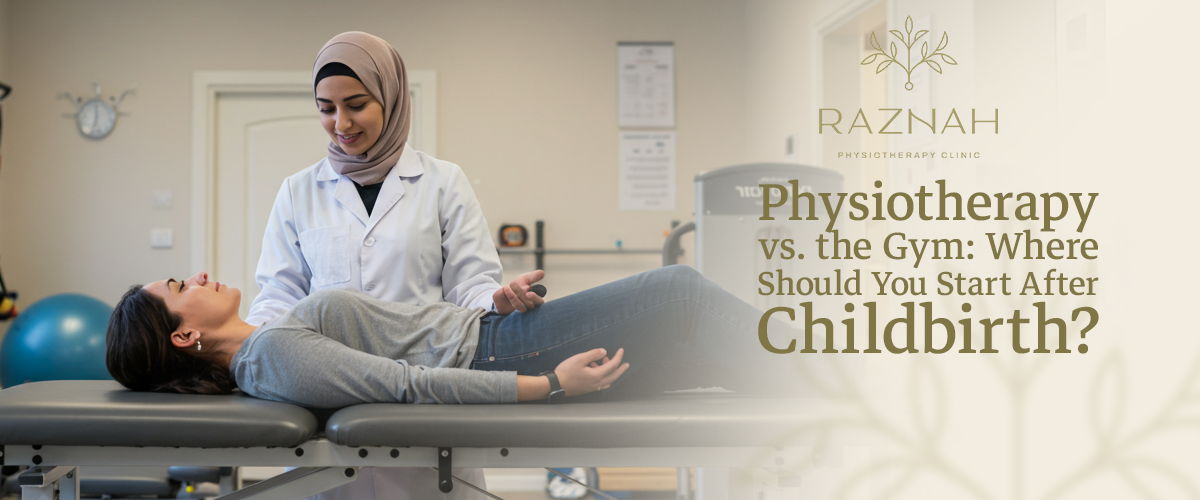
After giving birth, women often face physical and emotional changes such as back pain, weakened pelvic muscles, and fatigue. This raises an important question: What is postpartum physical therapy, and is going to the gym enough?
The truth is, physical therapy is not just a set of exercises — it’s a specialized rehabilitation plan based on a professional assessment. While postnatal workouts help improve general fitness, they cannot by themselves address deeper issues, especially in cases that require specialized care before starting exercises after natural birth or resuming activities after a cesarean section.
What Is Postpartum Physical Therapy?
Physical therapy for women after childbirth is a specialized medical field aimed at rehabilitating the body after pregnancy and delivery. It’s built on personalized programs designed to address muscle weakness and health challenges that arise during this period.
It helps:
Strengthen pelvic floor muscles and prevent issues like urinary incontinence.
Reduce back and hip pain caused by pregnancy pressure.
Gradually restore muscle flexibility.
Prepare the body for safe exercise after childbirth.
So, when we ask “What is postpartum physical therapy?” — we’re referring to the foundation that helps the body regain balance and prepare for future activity.
Benefits of Early Postpartum Physical Therapy
There’s a common misconception that the body heals on its own after childbirth — but in reality, early intervention through physical therapy provides significant benefits:
Prevents long-term issues such as pelvic weakness or lower back pain.
Speeds up recovery, helping mothers return to daily life faster.
Improves mental wellbeing, as physical improvement boosts mood and confidence.
Prepares for exercise, making it easier to safely transition to postnatal workouts or gentle activity after a cesarean section.
Physical Therapy vs. Regular Exercise — What’s the Difference?
Many women think that regular exercise can replace postpartum physical therapy, but the difference is crucial:
Physical Therapy:
Begins with a medical assessment.
Targets specific issues like pelvic floor weakness.
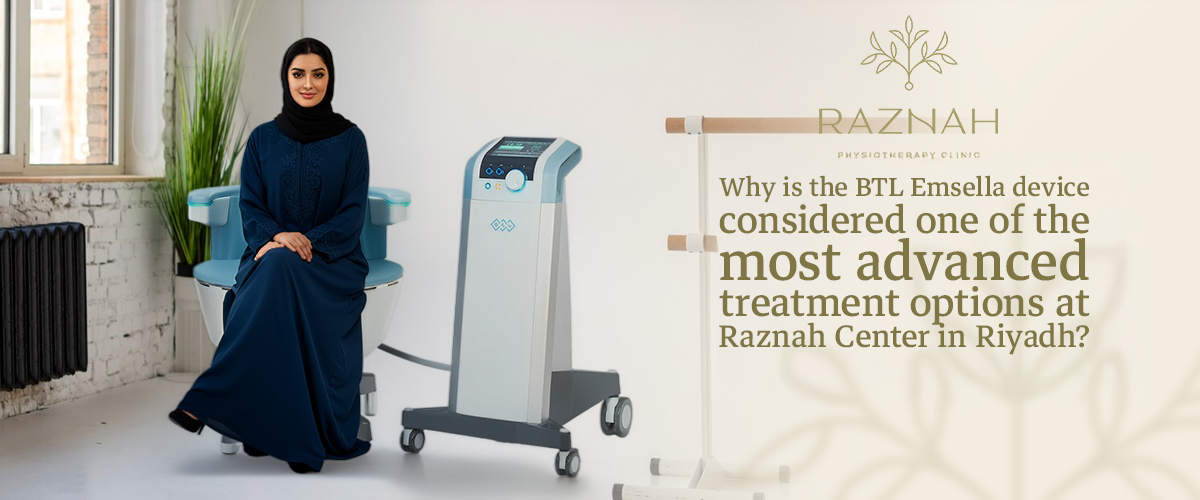
Uses specialized methods such as deep breathing training or electrical muscle stimulation.
Postnatal Exercise:
Focuses on overall fitness.
Includes walking or light aerobic workouts.
Does not always respect post-cesarean exercise limits.
Postpartum Exercises: Their Role in Recovery
A common question among new mothers is: “When can I start exercising after giving birth?”
The answer is: gradually, after the initial recovery phase and with a specialist’s approval.
Postpartum exercises include Kegel training, stretching, and breathing work.
These are part of physical therapy, not a replacement for it.
Incorporating them enhances therapy results and builds strength before moving on to more intense fitness routines.
From Physical Therapy to the Gym — The Complete Postpartum Journey
When should a woman choose physical therapy instead of regular workouts?
Returning to the gym can be tempting, but not all bodies are ready. Physical therapy becomes essential when:
There’s back or pelvic pain: These need targeted rehabilitation, not general exercise.
Urinary incontinence or weak pelvic control: Physical therapy treats the cause, while general exercise might worsen it.
Low endurance or daily fatigue: Therapy restores functional strength safely.
After a cesarean birth: Movement should be limited to gentle, supervised exercises only.
In short, understanding what postpartum physical therapy is helps every woman make the right choice — when to begin therapy and when it’s safe to move into regular fitness.
Post-Cesarean Safe Exercises
Cesarean recovery comes with special considerations — scars, core weakness, and pain. But that doesn’t mean complete inactivity.
Weeks 1–4: Gentle breathing, foot movements, and short walks.
Weeks 5–8: Light abdominal and stretching exercises allowed under supervision.
After 3 months: Gradual return to stronger activities if medically approved.
Knowing what postpartum physical therapy is helps you identify the right exercises for your body, preventing injury or delayed healing.
Combining Physical Therapy and Exercise
You don’t have to choose between therapy and exercise — the best results come from combining both:
Start with therapy: Treat pain, strengthen the pelvic floor, and learn correct movement patterns.
Introduce gentle workouts: Gradually add walking or light aerobics once stability improves.
Full integration: Move into full exercise routines while continuing occasional therapy sessions.
This balance allows you to benefit from medical care and enjoy the motivation of fitness.
How Razna Center in Riyadh Helps You
At Razna Center, we offer a holistic program that bridges therapy and fitness:
Individual assessment: A full evaluation to determine whether you need therapy sessions or guided exercise.
Specialized therapeutic programs: Pain relief, pelvic strengthening, and safe reconditioning.
Gradual exercise integration: Custom postnatal fitness plans tailored to each woman.
Post-cesarean care: Focused support within safe exercise limits.
Spa-like experience: A relaxing environment with soothing sessions and healthy snacks, making recovery both healing and enjoyable.
Razna Center provides a real-life answer to the question: “What is postpartum physical therapy — and how is it different from regular exercise?”
Practical Tips for a Safe Transition from Therapy to Fitness
Don’t rush — moving too fast may cause injury, especially after a C-section.
Start small — make postpartum exercises part of your daily routine.
Listen to your body — if pain appears, return to therapy sessions.
Progress gradually — consistency matters more than intensity.
Consult your specialist — experts like Dr. Rafif Al-Jirifani at Razna Center will guide you safely.
The Right Start Makes All the Difference
Childbirth isn’t the end — it’s a new beginning that requires care and patience.
Choosing between therapy and workouts shouldn’t be a struggle — it’s a journey that starts with rehabilitation and continues with movement.
Understanding what postpartum physical therapy is helps you make the right decision:
With postpartum exercises, you build strength.
With postnatal fitness, you regain energy.
With guided recovery after cesarean, you ensure safe healing.
Start your journey with Razna Center, where physical therapy and fitness come together in one safe, comprehensive plan to restore your health and confidence.
FAQs
Should I wait for my postnatal checkup before starting therapy or exercise?
Yes. Especially after a cesarean birth, your doctor should confirm when it’s safe to begin postpartum physical therapy or gentle activity.
When will I start feeling better after beginning therapy?
Most women notice improvement in pain and movement within 2–4 weeks of a structured therapy program.
Can I rely only on home workouts instead of a therapy center?
Home exercises help, but therapy provides expert supervision, precise assessment, and specialized techniques that home workouts can’t replace.
Does the plan differ between natural and cesarean birth?
Yes. After vaginal delivery, light exercises can start sooner. After a cesarean, longer rest and only safe, low-impact movements are advised.
Can therapy prevent injuries caused by early exercise?
Absolutely. Physical therapy strengthens the body and improves alignment, reducing the risk of pain and incontinence when returning to fitness.
Is therapy helpful even if I have no major symptoms?
Yes. Even symptom-free mothers benefit from preventive therapy — it strengthens the core, protects the pelvic floor, and builds confidence for future activity.