Pelvic Rehabilitation: The Scientific Solution to Pelvic Pain Causes in Women After Pregnancy and Childbirth
50% of women suffer from pelvic muscle weakness after childbirth.
A woman’s health after pregnancy and childbirth is fundamental to her daily quality of life. One of the major challenges during this stage is pelvic muscle dysfunction, as pregnancy and childbirth are among the most common causes of pelvic pain in women. This functional deficiency may impact daily life, highlighting the importance of pelvic rehabilitation. This program combines exercises with modern techniques such as electrical stimulation and is carried out under the supervision of specialists
1. What is pelvic muscle dysfunction and why does it occur after pregnancy or childbirth?
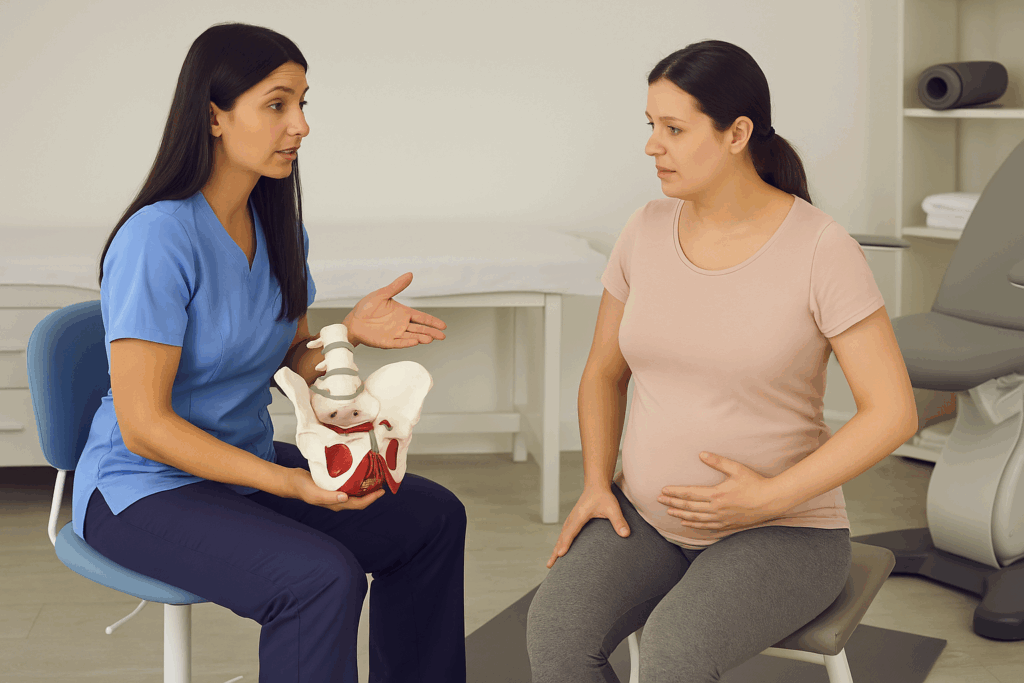
Pelvic muscles form a supportive network at the base of the abdomen that holds the bladder, uterus, and intestines, and helps control urination and bowel movements.
-
During pregnancy, the pressure on these muscles increases due to the baby’s weight and amniotic fluid.
-
Childbirth may cause stretching or tearing, leading to weakness.
-
Even cesarean delivery does not prevent this issue, as pregnancy itself is a major factor in pelvic pain in women.
Other factors that worsen the problem include:
-
Hormonal changes reducing tissue elasticity.
-
Aging, which decreases overall muscle strength.
-
Genetic factors influencing muscle structure.
Thus, the causes of pelvic pain in women are not limited to pregnancy and childbirth, but are usually a combination of multiple factors, requiring individualized assessment.
2. Symptoms of pelvic muscle dysfunction
-
Urinary incontinence
Involuntary urine leakage during sneezing, coughing, or daily activities is one of the most common symptoms after childbirth. It results from weak muscle support for the bladder and poor pressure control, often leading to discomfort and pain. -
Lower back pain
Pelvic dysfunction can affect lower spine function, causing repeated strain and chronic pain. Studies show that causes of pelvic pain in women after pregnancy often align with poor pelvic support and improper weight distribution on the lower limbs. -
Pelvic heaviness or pressure
Many women report a heavy or uncomfortable feeling in the pelvic area. This is a common cause of pelvic pain after pregnancy and childbirth and may indicate pelvic organ prolapse, affecting daily life and intimacy. -
Poor bowel or gas control
In some cases, weakness extends to the anal sphincter, affecting both physical and psychological comfort.
These symptoms often overlap and should not be ignored. Medical intervention is necessary rather than relying on temporary solutions.
3. How does pelvic rehabilitation work?
Pelvic rehabilitation is an integrated therapeutic process aimed at restoring muscle strength and function. It is based on three main pillars:
-
Medical assessment
The program begins with a comprehensive clinical evaluation, including medical history, number and type of deliveries, current symptoms, and assessment of the back and abdomen. Based on this, a personalized treatment plan is developed — a principle emphasized by specialists Lifestyle modification
Some cases require dietary adjustments, bladder management strategies, and stress management plans tailored to each patient. -
Therapeutic exercises
These are the cornerstone of any rehabilitation program. The goal is to retrain the muscles and compensate for functional deficits. Patients are given detailed explanations and guided practice in the clinic, followed by a customized home program. -
Advanced techniques (electrical or electromagnetic stimulation)
Devices like BTL Emsella are revolutionary in treating pelvic muscle weakness. They stimulate muscles using electromagnetic waves, encouraging natural recovery and addressing the root causes of pelvic pain in women.-
Mechanism: Deep, non-invasive muscle stimulation without exposing the area.
-
Results: Gradual improvement in bladder control, pain reduction, and overall comfort.
-
At Ruznah Clinic, the BTL Emsella device is used under specialist supervision and programmed to each woman’s condition.
-
Education and supportive guidance
Patient education is an integral part of pelvic rehabilitation. Women who understand their condition and treatment plan are more likely to adhere to the program and communicate effectively with their healthcare provider.
4. Prevention and maintaining pelvic health
Rehabilitation is not a temporary stage, but the start of a new healthy lifestyle. Key prevention strategies include:
-
Regular exercise, especially those targeting abdominal and pelvic muscles.
-
Maintaining a healthy weight, as obesity is strongly linked to pelvic floor disorders.
-
Balanced nutrition to support muscle strength and prevent constipation.
-
Regular medical follow-ups to ensure long-term results.
5. Pelvic rehabilitation as an educational approach
Pelvic rehabilitation is not just a treatment — it is a science based on anatomy and physiology. Its goal is to raise awareness about the causes of pelvic pain in women, promote pelvic muscle care, and encourage early intervention when symptoms appear.
FAQs
-
Is it recommended for women to strengthen their pelvic floor muscles before pregnancy as a preventive step?
Yes, it helps reduce complications and speeds up recovery after childbirth. -
Does every woman need pelvic rehabilitation after childbirth, or only those with noticeable symptoms?
It is recommended for all women, though the intensity of need varies. -
Can women after menopause benefit from pelvic rehabilitation, and why is it important at this stage?
Yes, it helps reduce incontinence and improves comfort at this age. -
Can women who have never been pregnant still benefit from pelvic rehabilitation?
Yes, since other factors such as genetics, aging, or lifestyle may also cause dysfunction. -
Are there cases where pelvic rehabilitation should be avoided?
Yes, in cases of infections or active bleeding. -
How long do the results last, and is continued exercise necessary?
Results are long-lasting but vary by individual. Continued exercise helps maintain benefits. -
What is the difference between doing pelvic exercises at home and professional rehabilitation with a specialist?
Specialists ensure correct exercise performance and provide supportive tools when needed. -
Can weak pelvic floor muscles affect intimacy or daily lifestyle?
Yes, pelvic muscle weakness can significantly impact a woman’s quality of life and relationship. It may