Say Goodbye to Stress and Anxiety!
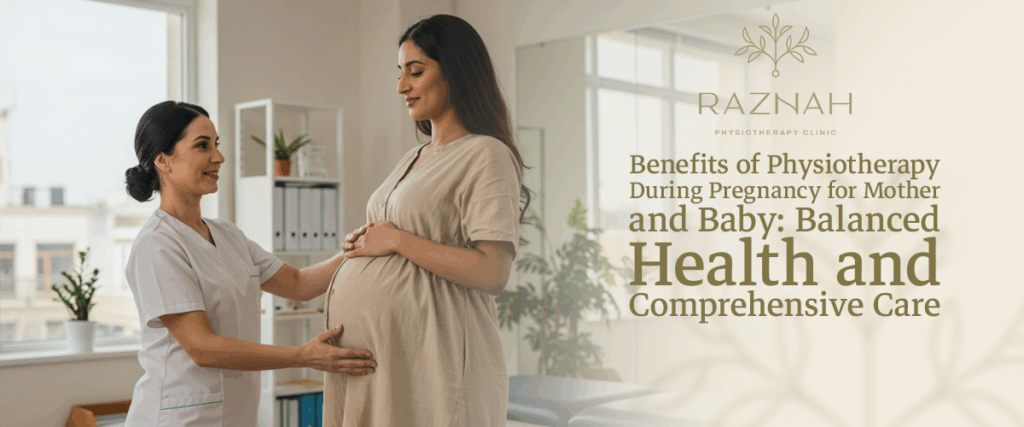
Pregnancy is one of the most profound human experiences a woman can go through. It’s a period filled with physical and emotional changes that require special care. Amid these transformations, there’s a growing need for safe and effective methods that help women adapt while maintaining their health and their baby’s well-being.
This is where physiotherapy comes in — a science-backed approach that supports women through every stage of pregnancy, empowering them to prepare both physically and mentally for childbirth.
Physiotherapy is no longer an optional add-on; it has become an essential part of comprehensive maternity care. Backed by scientific evidence and delivered by women’s health specialists, it offers holistic support that promotes strength, comfort, and confidence.
Is Physiotherapy Safe During Pregnancy?
A common question many expectant mothers ask is: Is physiotherapy safe during pregnancy?
The answer is yes, provided it’s done under specific guidelines:
Programs are tailored to the mother’s health and stage of pregnancy.
Gentle techniques such as breathing exercises, stretching, and muscle strengthening are used without applying pressure to the abdomen.
Each session considers the mother’s posture, blood pressure, and the baby’s condition.
In short, the benefits of physiotherapy during pregnancy far outweigh any potential risks—as long as it’s done under professional supervision.
Benefits of Physiotherapy for the Mother During Pregnancy
Physiotherapy provides a wide range of benefits for expectant mothers, including:
Relieving back and hip pain: Therapeutic exercises reduce pressure on the spine and joints.
Improving blood circulation: This helps minimize swelling, reduces foot puffiness, and ensures better oxygen delivery to the baby.
Strengthening pelvic floor muscles: Through Kegel exercises that support the bladder and uterus, easing the birthing process.
Boosting energy and mobility: Regular sessions help reduce fatigue and maintain physical activity.
Preparing physically and mentally for birth: By learning breathing techniques and optimal birthing positions that make labor smoother and more manageable.
Benefits of Physiotherapy for the Baby
While many believe physiotherapy only benefits the mother, its positive effects extend to the baby as well:
Improved maternal circulation means better oxygen and nutrient supply to the fetus.
Lower maternal stress and anxiety levels support healthier fetal development.
Maintaining a healthy maternal weight reduces the risk of premature birth and complications.
In essence, physiotherapy during pregnancy is a shared investment in the health of both mother and baby.
Safety Guidelines for Physiotherapy During Pregnancy
To ensure safety and maximum benefit, the following precautions are essential:
Always consult your doctor before starting any program.
Avoid intense exercises or positions that place pressure on the abdomen.
Stop immediately if you feel dizzy or experience unusual pain.
Work only with a physiotherapist specializing in women’s health.
“Salam / I Welcome You” Workshop: A Practical Experience
One of the best programs that demonstrate the power of physiotherapy for pregnant women is the “Salam / I Welcome You” Workshop.
Workshop duration: 3.5 hours
Led by: Certified women’s health physiotherapists
Designed with: Evidence-based practices presented in a clear, hands-on approach
Workshop content:
Before birth: Physical and emotional preparation for labor
During birth: Pain management, correct positions, and breathing techniques
After birth: Pelvic floor recovery, physical healing, and breastfeeding guidance
This workshop provides women with a complete understanding of how to use physiotherapy at every stage, ensuring confidence and readiness for childbirth.
Kegel Exercises: The Foundation of Pelvic Strength
Kegel exercises are among the most recommended therapeutic exercises during pregnancy. They:
Strengthen the pelvic floor muscles
Prevent urinary incontinence
Facilitate natural childbirth and reduce labor time
With regular practice, women experience improved muscle control and confidence during and after delivery.
Safe and Balanced Exercises for Expectant Mothers
Physiotherapy programs include gentle and safe exercises for pregnant women, such as:
Stretching to enhance flexibility
Deep breathing for relaxation
Light arm and leg exercises to maintain fitness
These are tailored to respect the body’s changes during pregnancy, helping mothers stay strong and active without overexertion.
How Physiotherapy Prepares You for Childbirth
Physiotherapy is not limited to clinic sessions—it’s a lifestyle approach:
Posture training: Learn proper sitting and sleeping positions that reduce strain.
Breathing techniques: Manage anxiety and stay calm during labor.
Gentle movement: Activities like walking and prenatal yoga improve mood and flexibility.
Daily Kegel exercises: Just a few minutes a day strengthen the pelvic floor effectively.
Physiotherapy and Natural Birth
One of the greatest advantages of physiotherapy is its ability to prepare the body for natural childbirth:
Increases pelvic flexibility
Enhances control and endurance during contractions
Reduces labor pain through effective breathing and positioning techniques
Women who follow regular physiotherapy programs often experience more confident and smoother birth experiences.
Physiotherapy After Cesarean Delivery
In cases where a C-section is medically necessary, physiotherapy becomes vital after returning home.
Specialized sessions help:
Stimulate circulation and prevent blood clots
Support pelvic floor recovery through continued Kegel exercises
Promote faster physical and emotional healing through guided breathing and movement
Postnatal Physiotherapy: Healing for Mother and Baby
Recovery after childbirth—whether natural or cesarean—requires structured support.
For the mother: Restoring strength, reducing back pain, improving posture, and preventing incontinence.
For the baby: A healthier, more energetic mother means better breastfeeding and care.
Programs like “Salam / I Welcome You” guide mothers through practical pelvic care and safe recovery techniques.
Continuing Kegel Exercises After Birth
Even after childbirth, Kegel exercises remain essential:
They tighten and strengthen weakened muscles
Prevent pelvic sagging and urinary issues
Restore comfort, control, and confidence
Consistency is key—just a few minutes a day bring noticeable results within weeks.
Physiotherapy as a Lifestyle
Physiotherapy isn’t a short-term treatment; it’s a sustainable approach to lifelong wellness:
Dedicate a few minutes daily to pregnancy-safe exercises
Get professional feedback to correct movements
Attend weekly sessions for consistent progress
This ongoing commitment ensures lasting benefits beyond pregnancy.
Practical Tips for Expectant Mothers
Practice Kegel exercises daily for a few minutes
Make light movement (walking, stretching) part of your routine
Attend specialized physiotherapy sessions for proper guidance
Balance activity with rest—your body needs both
Remember: Consistency doubles the benefits
A Journey of Safety and Wellness for You and Your Baby
Physiotherapy during and after pregnancy is an investment in your health and your baby’s well-being.
Through simple exercises, professional guidance, and evidence-based workshops like “Salam / I Welcome You”, you can enjoy a more comfortable, confident pregnancy.
Incorporating Kegel exercises and gentle prenatal workouts into your daily routine strengthens your body and brings peace of mind—making your birth experience smoother and more positive.
✨ Start your journey toward a safe and healthy delivery with Ruznah Center.
Reserve your spot now in the “Salam / I Welcome You” Workshop and discover how physiotherapy can transform your pregnancy and postpartum experience.
FAQs
1. When should I start physiotherapy after giving birth?
Typically, after 4–6 weeks for natural delivery, or after your doctor’s approval for a C-section.
2. Can physiotherapy help heal a C-section scar?
Yes. It includes scar massage and circulation-boosting exercises that promote tissue recovery.
3. Does physiotherapy help reduce postpartum urinary incontinence?
Absolutely. Strengthening the pelvic floor through physiotherapy is essential for bladder control.
4. When will I start noticing improvement?
Most mothers experience reduced pain and better movement within 2–4 weeks of regular sessions.
5. Does physiotherapy affect breastfeeding or comfort?
No. When properly designed, physiotherapy enhances comfort and supports your body during breastfeeding without affecting milk supply.