
Pelvic Floor Exercises for Pregnant Women: A Journey Toward Easier Birth and Faster Recovery
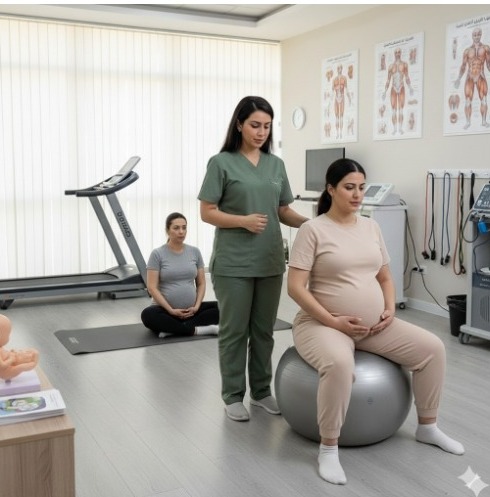
Pregnancy is not just about waiting; it is a journey of profound transformations that requires special care for every part of a woman’s body. Among the most overlooked and misunderstood areas are the pelvic floor muscles. Their health is the cornerstone of a more comfortable pregnancy, easier delivery, and smoother recovery afterward. This is where the importance of pelvic floor exercises during pregnancy comes in.
First: Understanding Pelvic Floor Exercises During Pregnancy – What Are They and Why Are They Important?
What is the pelvic floor?
The pelvic floor muscles can be imagined as a strong “hammock” stretching from the pubic bone at the front to the tailbone at the back. They support the bladder, uterus, and bowels, helping to keep them in place. They also play a vital role in controlling urination and bowel movements. Maintaining their strength is especially critical during pregnancy.
Why do pelvic floor muscles weaken?
As pregnancy progresses, the growing uterus and baby place continuous pressure on these muscles. Closer to delivery, the strain becomes even more intense. If not strengthened, these muscles may weaken, leading to problems like urinary leakage, back pain, and pelvic heaviness. This is why pelvic floor exercises during pregnancy are not a luxury—they are a necessity.
Second: The Countless Benefits of Pelvic Floor Exercises for Pregnant Women
Prevention of urinary incontinence: Strengthening these muscles helps reduce urine leakage when sneezing, coughing, or laughing.
Easier natural delivery: Strong, flexible pelvic muscles make pushing more effective, potentially shortening labor and reducing medical interventions.
Faster postpartum recovery: Healthy muscles heal more quickly after the strain of childbirth. Improved blood flow also speeds recovery.
Reduced back pain: The pelvic floor works together with abdominal and back muscles to support the spine, easing chronic pain.
Improved intimacy: Restored muscle strength can enhance confidence and sensation, positively impacting relationships.
Third: A Step-by-Step Guide to Pelvic Floor Exercises
Correct position:
You can perform the exercises while sitting, standing, or lying down. Beginners often find it easiest lying on their back with knees bent.
Identify the muscles:
Imagine trying to stop the flow of urine or prevent passing gas. The muscles you contract are your pelvic floor. It should feel like lifting upward, not pushing outward.
Exercise 1: Slow Squeeze
Gently contract the pelvic floor muscles as if lifting an elevator.
Hold for 5 seconds while breathing normally.
Relax for 5 seconds.
Repeat 10 times.
Exercise 2: Fast Squeeze
Quickly contract and release the muscles.
Repeat 10 times in succession.
Golden tips:
Don’t hold your breath.
Avoid tightening the stomach, thighs, or buttocks—focus only on the pelvic floor.
Consistency is key: aim for 3 sets per day, each with 10 repetitions.
When to start?
Ideally, begin as soon as pregnancy starts—or even before conception. These exercises are safe throughout pregnancy unless your doctor advises otherwise.
Fourth: Common Challenges and How to Overcome Them
Difficulty identifying muscles: Use a mirror or consult a physiotherapist for guidance.
Forgetting to exercise: Link the practice with daily routines like brushing your teeth.
Slow results: Progress takes time—patience and persistence are essential.
Fifth: The Importance of Professional Support
While home practice is beneficial, professional guidance ensures maximum effectiveness. A women’s health physiotherapist can provide personalized assessments and treatment plans.
A women’s health specialist, emphasizes: “Awareness of pelvic floor exercises is the first step, but professional guidance ensures safe and effective results.”
Pelvic Floor Exercises: An Investment in the Future
Caring for your pelvic floor during pregnancy is more than relieving temporary discomfort—it is a long-term investment in your health. These exercises support a smoother birth, quicker recovery, and greater comfort afterward. They are your hidden strength that can truly transform your journey into motherhood.
FAQs
Why are pelvic floor exercises important during pregnancy?
They improve muscle flexibility, reduce urinary incontinence, ease natural delivery, and help relieve back and pelvic pain.
When should a pregnant woman start pelvic floor exercises?
They can be started as soon as pregnancy begins—or even before, if you’re planning to conceive.
Are pelvic floor exercises safe during pregnancy?
Yes, they are safe unless your doctor advises otherwise.
How can I ensure I’m doing the exercises correctly?
If you struggle to identify the right muscles, use a mirror or consult a physiotherapist.